
Students today rely heavily on their smartphones for learning, communication, and entertainment. From attending online classes and submitting assignments to researching projects and staying connected with friends, mobile data has become an essential part of student life. However, balancing connectivity with a limited budget can be challenging.
This is why choosing the right mobile network matters. Among the popular options available, TNT and GOMO have gained significant attention for their affordable services and attractive data packages. Both networks offer unique benefits, but the best choice ultimately depends on a student’s usage habits and priorities.
This guide compares TNT and GOMO in terms of pricing, data offerings, network coverage, and overall value to help students make an informed decision.
Why Students Need a Budget-Friendly Mobile Network
Unlike working professionals, many students have limited monthly budgets. They need mobile services that provide sufficient data without causing unnecessary expenses. A good student-friendly mobile network should offer:
- Affordable data packages
- Reliable network coverage
- Flexible prepaid options
- Good internet speeds
- Easy account management
- Value-added features for learning and entertainment
Both TNT and GOMO meet many of these requirements, but they do so in different ways.
TNT: The Affordable Choice for Everyday Use
TNT, also known as Talk ‘N Text, has built a strong reputation as one of the most affordable mobile networks for budget-conscious users. Its prepaid promos are designed to provide economical access to calls, texts, and mobile data.
Advantages of TNT for Students
Budget-Friendly Pricing
One of TNT’s biggest strengths is affordability. Students who need basic internet access for messaging, social media, and online research often find TNT’s prepaid options practical and cost-effective.
Flexible Promos
TNT offers a variety of prepaid packages that allow students to select plans based on their needs and available budget. This flexibility makes it easier to manage monthly expenses.
Reliable Communication Services
Besides internet access, students still rely on calls and text messages for communication with classmates, teachers, and family members. TNT remains a strong option for users who frequently use these services.
Wide Accessibility
Students living in different regions often appreciate TNT’s broad network reach, making it a dependable option for daily communication and online activities.
Potential Limitations of TNT
Although TNT offers affordable pricing, students who consume large amounts of data for video streaming, online classes, or remote learning may find themselves purchasing additional data packages more frequently.
GOMO: The Data-Focused Option for Modern Students
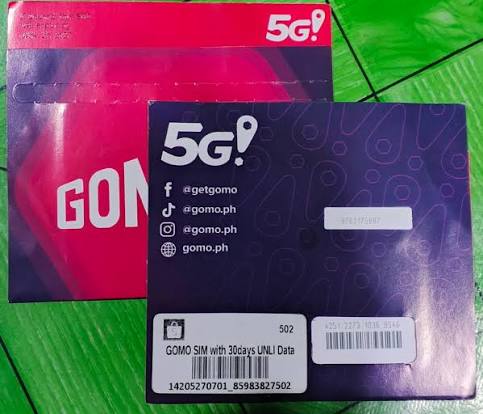
GOMO has become increasingly popular among younger users due to its simple, digital-first approach and focus on mobile data services. The network is particularly appealing to students who spend significant time online.
Advantages of GOMO for Students
Excellent for Heavy Data Users
Many students regularly attend virtual classes, stream educational videos, participate in online discussions, and use cloud-based applications. GOMO’s data-focused plans are well-suited for these activities.
Convenient Digital Management
GOMO allows users to manage their accounts through a mobile application. Students can easily monitor data usage, activate services, and manage their plans directly from their smartphones.
Suitable for Entertainment and Learning
Beyond academic activities, students frequently use their phones for social media, streaming, and gaming. GOMO’s internet-focused packages often appeal to students who need consistent connectivity for both study and entertainment.
Reduced Need for Frequent Reloading
Students who consume large amounts of data may appreciate plans that provide more extensive internet allocations and reduce the need for constant top-ups.
Potential Limitations of GOMO
Students who primarily use their phones for calling and texting rather than internet activities may not fully benefit from GOMO’s data-centric approach.
Network Coverage Comparison
Reliable network coverage is essential for students, especially those attending online classes or accessing educational resources.
TNT Coverage
TNT offers dependable coverage in many urban and suburban areas. Its accessibility makes it a practical choice for students who need reliable communication services and moderate internet usage.
GOMO Coverage
GOMO provides a strong internet experience and performs well for activities that require stable data connectivity, such as video conferencing, online research, and streaming educational content.
Students should consider the network performance in their specific location before making a decision, as GOMO Coverage can vary depending on the area.
Which Network Offers Better Value for Students?
The answer largely depends on individual usage habits.
Choose TNT If You:
- Have a limited monthly budget
- Frequently use calls and text messages
- Need flexible prepaid options
- Primarily use mobile data for browsing and messaging
- Prefer economical everyday connectivity
Choose GOMO If You:
- Attend online classes regularly
- Stream educational videos and online content
- Use cloud-based applications and digital learning platforms
- Spend significant time on social media and entertainment apps
- Need larger data allocations
Final Verdict
Both TNT and GOMO provide valuable services for students, but they cater to different needs.
TNT remains an excellent option for students seeking affordable prepaid plans and reliable communication services. Its budget-friendly approach makes it ideal for users who need basic internet access without spending heavily on mobile services.
On the other hand, GOMO stands out for students who rely extensively on mobile data for online learning, video streaming, research, and digital collaboration. Its data-focused offerings make it particularly attractive to heavy internet users.
Ultimately, the best budget-friendly mobile network depends on how you use your smartphone. By considering your communication habits, academic requirements, and monthly budget, you can choose the network that delivers the best value and keeps you connected throughout your student journey.