
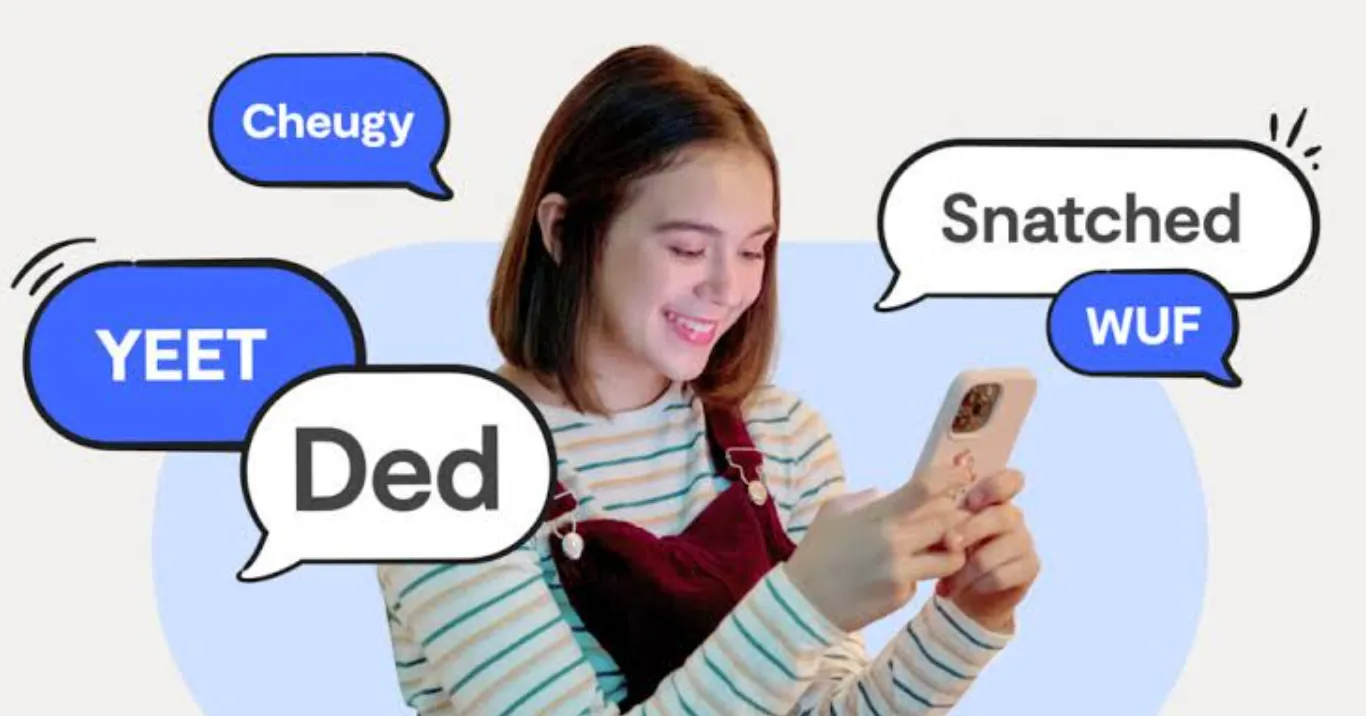
Internet language changes faster than almost any other form of communication. People create short words, initials, and phrases to express ideas quickly on social media, in gaming chats, and through text messages. A good example is 4PF meaning, a phrase that gained attention through music, online culture, and fan communities. Acronyms like this often become popular because they are short, memorable, and easy to repeat across different platforms.
Why Internet Slang Has Become So Popular
Internet slang has grown because online communication is usually fast. People scroll through hundreds of posts, comments, and videos every day. They often want to respond without writing complete sentences.
Short expressions make that possible. Instead of typing a long explanation, someone can use a few letters that their online community already understands. This saves time and can also make conversations feel more casual.
Social media platforms have also encouraged this behavior. Apps built around short videos, quick comments, captions, and instant messages naturally favor simple language.
Acronyms Make Communication Faster
One of the biggest reasons acronyms spread online is convenience. Typing three or four letters takes less effort than writing a complete phrase.
Popular examples include LOL for laughing out loud, BRB for be right back, and IMO for in my opinion. These terms became common because users repeatedly saw them in chats and comments.
Once people understand an acronym, they can recognize it almost instantly. This creates a shared online language that allows users to communicate at high speed.
Social Media Helps Slang Travel Quickly
Before social media, slang often stayed within a city, school, workplace, or small social group. Today, a phrase can reach millions of people within hours.
A creator may use an unusual acronym in a TikTok video, Instagram caption, X post, or YouTube comment. If the content becomes popular, thousands of users may copy the same phrase.
Algorithms can make the process even faster. Platforms often recommend trending content to large audiences. As more users see a term, more people begin searching for its meaning and using it themselves.
Music and Celebrity Culture Influence Online Language
Music has always influenced everyday language, but the internet has increased its effect. Artists often introduce phrases, abbreviations, and expressions that fans later repeat online.
Fans may place these terms in usernames, captions, hashtags, profile descriptions, or comments. Other users then notice the phrase and search for its meaning.
Celebrities, influencers, athletes, and online creators can have a similar effect. When a well-known person repeatedly uses a phrase, their audience may turn it into a trend.
Online Communities Create Their Own Vocabulary
Different internet communities often develop unique language. Gamers, sports fans, music fans, meme pages, and online forums may all use separate sets of acronyms.
These expressions can help members feel connected. Knowing the meaning of a certain phrase may show that someone understands the culture of a particular group.
However, this can also confuse outsiders. Someone who sees an unfamiliar abbreviation may not understand the conversation at all. This is why searches such as “what does this acronym mean?” remain common.
Memes Give Slang a Longer Life
Memes play an important role in spreading internet slang. A simple phrase can appear in thousands of pictures, videos, reaction posts, and comments.
People often repeat funny expressions even when they do not know where they originally came from. Repetition makes the phrase easier to remember.
Memes can also change a word’s meaning. A serious phrase may become humorous, ironic, or sarcastic after users repeatedly place it in different situations.
Younger Users Often Lead Language Changes
Teenagers and young adults are usually among the fastest groups to adopt new online expressions. They spend significant time communicating through social platforms, games, group chats, and videos.
Young users also enjoy creating language that feels fresh or different from formal speech. New slang can help separate one generation or online community from another.
However, popular slang rarely stays limited to younger audiences. Once a phrase becomes common enough, brands, news outlets, celebrities, and older users may begin using it too.
Why Some Acronyms Disappear Quickly
Not every internet acronym becomes permanent. Some terms remain popular for only a few weeks or months.
A phrase may disappear when the meme, celebrity moment, song, or trend connected to it loses attention. Online audiences constantly move toward new topics, so slang must stay relevant to survive.
Other acronyms last for years because they remain useful. Expressions such as LOL and DM continue to appear because people can use them in many different situations.
Search Engines Help Keep Slang Alive
Search engines also play a major role in the life of internet slang. When users encounter an unfamiliar abbreviation, they often search for an explanation immediately.
Websites then publish definitions, examples, background information, and related phrases. These pages make the term easier for new audiences to understand.
As searches increase, more websites create content about the phrase. This can give an acronym a second wave of popularity even after the original trend begins to slow down.
Context Matters When Understanding Online Acronyms
An acronym does not always have one fixed meaning. The same letters can mean different things depending on the community or conversation.
A gaming term may have a completely different definition in business, music, or everyday texting. Users should therefore look at the surrounding sentence before deciding what an abbreviation means.
The platform can also provide clues. Language used on a professional network may carry a different meaning from language used in a meme community or gaming chat.
Slang Reflects Changes in Digital Culture
Internet slang is more than shortened language. It shows how people adapt communication to new technology.
Every major online trend can create fresh expressions. Streaming, gaming, short-form video, fandom communities, and meme culture have all contributed to the vocabulary people use today.
Some terms express emotion, while others describe relationships, humor, lifestyles, or social behavior. The constant creation of new language reflects how quickly online communities change.
Final Thoughts
Short acronyms spread so fast because the internet rewards communication that is quick, memorable, and easy to share. Social media, celebrities, music, memes, gaming, and search engines can turn a small phrase into a global expression within days.
Internet culture also continues to mix different types of entertainment and humor. Someone searching for slang may soon encounter memes, viral clips, Dark Humor Jokes, celebrity discussions, or trending phrases during the same browsing session. As digital communities continue to grow, new acronyms will keep appearing, changing meaning, and becoming part of everyday online conversation.